

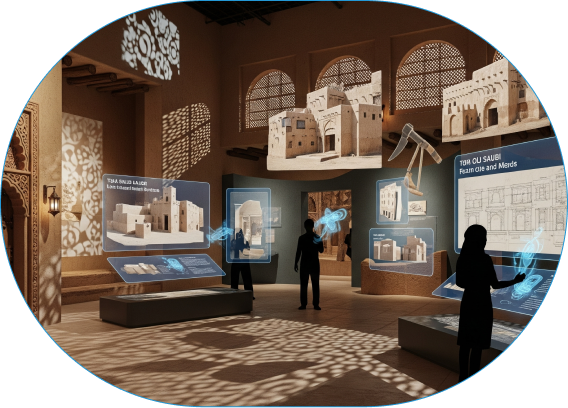

With the global shift toward digitization, virtual museum design is no longer a luxury—it has become a strategic necessity driven by current business market dynamics. Cultural and educational institutions face increasing challenges in reaching their audiences due to high costs, maintenance requirements, and fluctuating health and social conditions. Thus, transitioning to the virtual space is not just a smart response but also a competitive tool that positions institutions at the forefront of innovation.
Virtual museum design empowers institutions to maintain a continuous digital presence and enhances opportunities for interaction with a broader and more diverse audience—including tourists, researchers, students, and even investors. It also allows for the presentation of cultural narratives in immersive and interactive formats that deepen emotional and cognitive engagement. In short, adopting this technology today is an investment in a more open, sustainable future—one that enriches the visitor experience, increases return on investment, and puts the institution on the digital world map.
🧭 Cultural Institutions
Entities such as national museums, art galleries, and heritage centers aiming to preserve and digitally share their cultural legacy.
🏛️ Universities and Research Centers
Educational institutions that need virtual environments to present archives and historical collections and promote interactive learning.
🎓 Schools and Educational Platforms
Providers of innovative tools that enable students to explore cultural content in engaging and stimulating ways.
🌍 Ministries and Tourism Authorities
Utilize virtual experiences to promote tourism and heritage sites through attractive digital storytelling that supports digital tourism.
📈 Large Corporations and Investment Groups
Entities interested in highlighting their social responsibility efforts or seeking innovative ways to support arts and culture.
🎥 Media and Digital Production Companies
Rely on such solutions to create rich content and new visual storytelling experiences aligned with modern media trends.
🕹️ Immersive Interactive Experience
Design that simulates reality using VR and AR technologies, turning visitors into active participants rather than passive viewers.
🌐 Unlimited Global Access
Ability to present content to visitors from various countries and cultures, enhancing international reach and impact.
⚙️ Easy Customization and Updates
Flexibility to update and modify content continuously based on events, seasons, or expanding collections.
📊 Visitor Data Analytics
Tracking and analyzing user behavior to help institutions understand audience engagement and improve performance.
💰 Reduced Operational Costs
Partial or total elimination of costs related to lighting, security, maintenance, or staffing in physical museums.
♿ Inclusive and Accessible Experience
Designs that consider the needs of people with disabilities and multilingual users for a fair and comprehensive experience.
Virtual museums allow the exhibition of rare historical and artistic artifacts that may be unsuitable for physical display due to preservation or security reasons. At Marafei, we provide secure 3D digital platforms that showcase intricate details interactively.
Virtual museums enable interactive digital archiving of cultural heritage, preserving it from deterioration or loss. We use XR solutions and spatiotemporal mapping to convert rare documents, photos, and videos into explorable experiences.
Schools and universities can benefit from virtual museums as educational tools linking theory to practice. We design custom learning environments for each age group to enrich curricula through cultural and historical simulations.
Virtual museums facilitate the creation of temporary exhibitions without the need for physical venues. We develop quickly updatable digital platforms that allow institutions to launch seasonal or event-based exhibitions efficiently.
Virtual museums serve as powerful tools to market archaeological and historical sites. We integrate 360° interactive tours with rich audio-visual content to create experiences that encourage actual visits.
Virtual experiences offer local institutions a gateway to global audiences even without real-time translation through our multilingual, culturally adaptable interfaces.
Virtual museums aren’t limited to physical objects; they also document oral traditions, cultural practices, and customs through interactive platforms containing immersive audio and video content that we produce and integrate.
Virtual environments provide safe, realistic training grounds for guides and staff to simulate visitor and collection management scenarios. We create customized training simulations supported by precise performance analytics.
We enhance real museums with a virtual companion experience, allowing visitors to prepare for or revisit their tours. Our phygital (physical + digital) models merge both worlds to deepen engagement and enrich interaction.
Large organizations can use virtual museums to showcase their history, achievements, and identity in engaging narrative formats for corporate campaigns or public events. We build these experiences for online access or event integration.
At Marafei, we understand that each organization has its own vision and objectives when considering a virtual museum. That’s why off-the-shelf solutions don’t work. We tailor virtual museums based on your content, target audience, and the message you aim to convey whether it’s heritage preservation, educational support, tourism promotion, or corporate storytelling.
Every project begins with in-depth needs analysis sessions, followed by digital experience planning covering visual design, interaction flow, and the choice of appropriate technologies such as VR, 360° tours, or interactive web platforms. We also empower our clients with full content control and future update capabilities to ensure the experience remains sustainable and evolves over time.
At Marafei, we don’t just talk theory we deliver tangible models that exemplify the finest in virtual museum design. One of our standout projects is the “Al-Faw Heritage Site” experience, where we transformed this historical location into a fully interactive virtual museum. Using VR technology, we created a 3D environment that allows users to wander through the alleys of Al-Faw village and explore its archaeological landmarks in immersive detail enhancing cultural awareness and both sensory and cognitive engagement.
We also launched the Virtual Arabic Calligraphy Exhibition, which attracted art enthusiasts from around the globe. This exhibition enables visitors to navigate among rare calligraphic artworks and uncover their intricacies through an immersive experience. Supported by Augmented Reality (AR), the exhibition allows users to project the artworks onto their own home walls, turning the visit into a personal and lasting artistic experience. The project proved to be a cost-effective success, executed entirely virtually, which significantly reduced overheads and broadened accessibility.
These are not just tech applications, they are real success stories showing how digital technologies can redefine how we present culture, art, and history.
Globally, leading cultural and educational institutions are increasingly adopting virtual museums as a strategic tool to expand their audience and deepen visitor engagement. For instance, the Louvre Museum in Paris launched a virtual tour that lets users explore its iconic exhibits from home—boosting digital engagement by over 60% during the COVID-19 pandemic.
The Natural History Museum in London introduced interactive virtual tours that supported school education, reinforcing its status as a global knowledge hub. Academically, Harvard University partnered with VR developers to create a digital museum that displays rare manuscripts and artworks from its libraries, making these resources accessible to students and researchers worldwide.
Meanwhile, the Japan Tourism Authority utilized virtual museums to promote lesser-known destinations, effectively raising international cultural and tourism awareness beyond geographical boundaries.
These examples demonstrate how virtual museum design has become integral to growth, expansion, and impactful engagement strategies—proving that investing in digital solutions is not merely a technological decision, but a forward-looking leap into the future.
When discussing virtual museum design, one major advantage stands out: cost-effectiveness compared to traditional museums. These digital solutions offer an efficient and economical alternative to building physical museums, which often require significant investments in infrastructure, construction, and ongoing maintenance. Instead, organizations can launch a virtual museum at a much lower cost and within a shorter execution timeline.
The cost of developing a virtual museum varies based on several factors, including the level of interactivity, content volume, and the technologies used (such as VR, AR, 360°, or interactive web platforms). However, this type of investment remains more flexible and scalable over time.
From a financial standpoint, the benefits go beyond direct revenue—they include expanding audience reach, enhancing brand equity, and achieving educational or tourism-related goals. Experience has shown that virtual museums open new revenue streams through digital ticketing, sponsorships, or subscription models.
At Marafei, we ensure that our pricing aligns with each client’s needs. We also provide upfront consulting to help create a clear investment plan that balances cost with real ROI.
🟢 Phase 1: Needs Analysis & Discovery
We start with a deep understanding of the client’s goals through workshops and exploratory sessions, where we define project objectives, content type, target audience, and suitable technologies.
🔵 Phase 2: Initial Concept Design
We create a prototype of the virtual museum, including its general layout, presentation method, and interaction flow—giving the client a realistic preview of the upcoming experience.
🟡 Phase 3: Digital Environment Development
We implement the museum environment using VR or interactive web technologies, which includes 3D design, programming the experience, and integrating multimedia elements.
🟠 Phase 4: Review & Refinement
We share a beta version of the experience with the client, collect detailed feedback, and apply the required changes to ensure the final result meets expectations.
🔴 Phase 5: Launch & Ongoing Support
The museum is launched officially through the chosen platform (custom domain, app, or website). We then provide technical support and continuous updates to ensure optimal performance.
At Marafei, we believe that the success of a virtual museum is not measured solely by aesthetics or technical excellence; it’s about fulfilling the intended purpose, whether educational, promotional, cultural, or economic.
Because each client has a unique vision and set of success metrics, we avoid one-size-fits-all evaluation reports. Instead, we offer tailored technical consultations to help design effective measurement tools that suit the specific project. This might include user behavior tracking, time-on-site analytics, or measuring impact on awareness campaigns or real-world visitation rates.
We guide clients in leveraging platform data or integrating custom analytics tools that provide accurate insights into engagement, reach, and effectiveness. This approach empowers organizations to continuously refine their experiences based on actionable, audience-specific data.
✅ Platform Stability Guarantee
We provide a technical warranty ensuring that the virtual museum operates smoothly across all devices and platforms, with no crashes or loading issues.
🔄 Post-Launch Technical Support
Our service includes a support period after delivery to address any technical challenges that may arise during usage.
🛠️ Updatability and Scalability
We design flexible platforms that allow for easy content updates and design enhancements without the need for full redevelopment.
📞 Direct Support Line
We offer direct communication channels with our technical support team for prompt assistance and immediate consultation.
🔐 Digital Content Protection
Advanced security protocols are implemented to safeguard the content, with options for visitor access control and digital rights management.
At Marafei, our role in virtual museum design goes beyond visual and technical creativity—we are firmly committed to adhering to the highest international standards in this field. Our designs follow the guidelines of the International Council of Museums (ICOM) and Universal Design principles to ensure an inclusive and complete experience for all users, including people with disabilities.
We apply best practices in User Experience (UX) and Information Architecture (IA) to ensure intuitive navigation, logical interactivity, and optimal load times without compromising content quality. Our platforms are also built to comply with cybersecurity and data protection standards such as GDPR (or local equivalents), making the virtual museum a safe and reliable environment.
This quality commitment boosts not only the technical credibility of the project but also trust among stakeholders and visitors, positioning the experience among the world’s most reputable digital museum models.
🎯 Saudi Expertise Reflecting Local Culture
We deeply understand the local audience and design experiences that reflect Saudi values and culture with precision and professionalism.
🚀 Fast Execution with High Quality
We strike the ideal balance between rapid delivery and precise implementation—without compromising platform stability or design quality.
💡 Innovative Technological Solutions
We leverage the latest VR, AR, and hologram technologies to create unforgettable, one-of-a-kind experiences.
🤝 True Partnership with Clients
We don’t sell pre-made products. We build custom-designed experiences in full collaboration with the client’s team.
📊 A Vision Beyond Technology
We help clients meet their institutional goals through a virtual museum that reinforces their message and boosts their public presence.
🔒 Total Reliability and Ongoing Support
We uphold rigorous digital security and provide continuous technical support to ensure a stable and lasting experience.
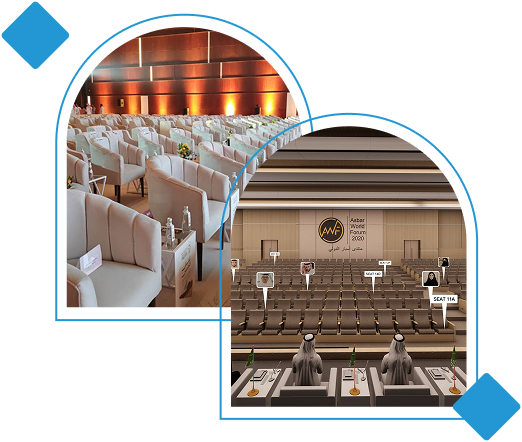
A virtual museum offers an immersive, 3D interactive experience that simulates a real-life visit. In contrast, a standard website is limited to displaying static images and information. At Marafei, we design rich digital environments that make users feel like they’re walking through the museum.
Yes, our design is based on a flexible framework that supports continuous updates. Exhibits can be added, content changed, or experiences enhanced easily to match new events or client needs.
Timeframes vary depending on project size and experience complexity, but typically range from 4 to 10 weeks. We always begin with a collaborative planning session to set a clear, realistic timeline.
+966-500526869
08:00 AM - 06:00 PM